
Fertilizing Pots Without Turning Gardening Into Homework
A low-effort, real-life guide to feeding container plants so they actually thrive (and don’t just survive)

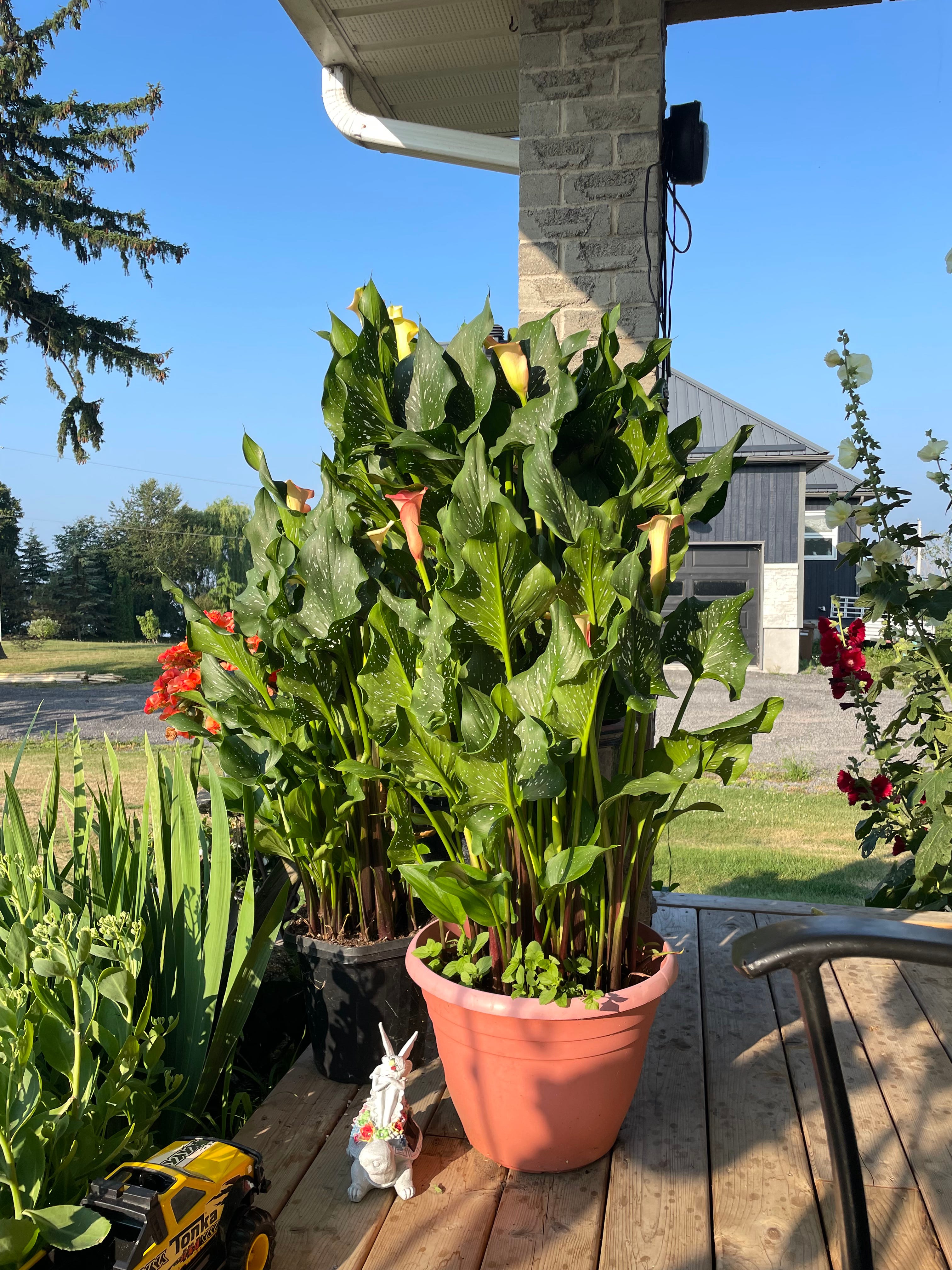
If you’ve ever grown something in a pot and thought, “Why do you look… sad?” you’re not alone.
Container gardening is amazing because it’s fast, tidy, and you can put plants literally anywhere—deck, driveway, steps, balcony, greenhouse corner, the random sunny spot you swear you’ll make pretty “one day.”
But pots have one big downside: they run out of food.
In the ground, plants can stretch their roots out, borrow nutrients from the wider soil, and benefit from all the slow, steady magic happening underground. In a pot? Your plant is living in a tiny little ecosystem with a limited pantry. Water runs through. Nutrients wash out. Growth happens quickly. And then the plant starts asking for more.
So let’s talk about fertilizing pots in a way that makes sense, doesn’t get weirdly intense, and actually works.
Why pots need fertilizer more than garden beds
Here’s the simplest explanation:
Pots are “closed systems.”
Plants can only eat what’s in that container and every time you water, you’re slowly rinsing nutrients downward and out the drainage holes. This is especially true for hanging baskets, fabric pots, patio planters that get watered daily, and anything in blazing sun.
So yes, you can start with a fancy potting mix… but it won’t stay fancy.
Potting soil vs fertilizer (this matters)
Potting soil is the growing medium. It holds moisture, air, roots, and some nutrients.
Fertilizer is actual plant food: nitrogen, phosphorus, potassium, plus minerals.
Some potting mixes include slow-release fertilizer. That’s helpful, but it’s usually designed to last weeks to a couple months, not the whole season—especially for heavy feeders like tomatoes, peppers, and nonstop-blooming flowers.
The “hungry pot” signs
Pots don’t always scream when they’re hungry, but they give clues:
growth stalls even though it’s warm and sunny
leaves turn pale green or yellow (often older leaves first)
fewer flowers, smaller flowers, or blooms slow down
tomatoes/peppers look healthy but aren’t producing much
you water and water and it still looks droopy (sometimes nutrients + roots)
It can overlap with heat stress, watering issues, or rootbound pots — but if your watering is decent and everything still looks underwhelming, fertilizer is often the missing piece.
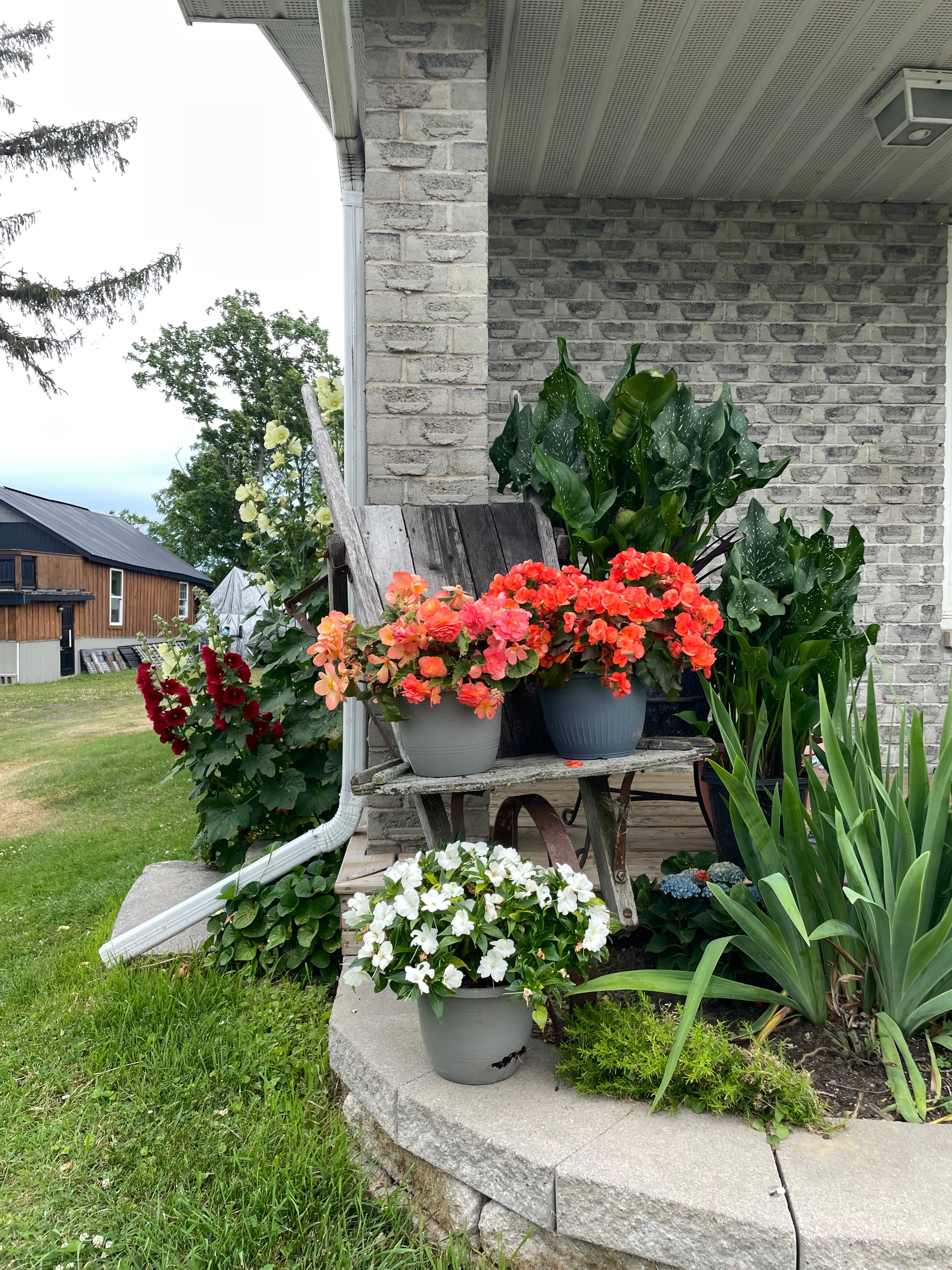
The two main ways to fertilize pots (everything fits in these categories)
There are a million products, but they all fall into two styles:
1) Slow and steady (granular / slow-release / organic meals) - This is your “low-effort gardener” option. You add something to the potting mix or sprinkle it on top and it breaks down over time.
Examples: pelletized manure, compost, worm castings, organic granular blends, slow-release pellets.
Pros: easy, not fussy, low risk if you follow the label
Cons: slower to correct a hungry plant, needs moisture to break down, may need reapplying for heavy feeders
2) Fast and flexible (liquid / water-soluble) - This is your “I need results” option. You mix it into water and feed regularly.
Examples: fish emulsion, seaweed/kelp, compost tea, water-soluble fertilizers.
Pros: quick response, great for flowering and fruiting, easy to adjust
Cons: you have to remember to do it, easier to overdo if you go heavy-handed
For the cost of a monthly coffee, you can unlock Monthly Downloads — two printable downloads a month from my growing resource vault, designed to make your garden feel simpler, more organized, and way more doable.
My real-life method: using up what I already had (and it worked)
This is the part nobody talks about enough: most of us aren’t building a perfect fertilizer system from scratch.
We’re standing in the shed like “Okay, what do I already own and how do I use it without accidentally burning my plants?”
So here’s exactly how I’ve used up the random fertilizer lineup most gardeners collect over the years:
1) Those single-use Miracle-Gro packets
You know the ones - you buy a plant and it comes with a little packet that’s meant for “one feeding.”
I used these as a mid-season rescue for pots that were clearly running on fumes - especially hanging baskets and planters that were watered constantly.
My rule with those packets:
dilute it a little more than the directions say and treat it like a “gentle boost,” not an energy drink because in containers it’s easier to overdo it and you can always feed again later. You can’t unfry a plant once it’s stressed.
2) Slow-release pellets (the easiest option)
Slow-release pellets are honestly the most low-effort container tool. I’ve mixed them into potting soil at planting, and I’ve also sprinkled them on top mid-season when I remembered.
They’re great when you want:
steady growth
less fuss
something you don’t have to think about every week
This is what I’d call the “baseline” feed. It keeps pots from quietly starving while you’re busy doing literally anything else.
3) Liquid fertilizers like fish + seaweed
Fish and seaweed are my “support the whole plant” favourites.
Fish emulsion is more of a food.
Seaweed/kelp is more of a tonic - it supports roots, stress tolerance, and overall plant health.
I use them when:
plants are growing fast
they’re flowering/fruiting hard
the weather is stressful (heat, wind, transplant shock)
I want better blooms and stronger roots, not just more leaves
And if you want the easiest routine:
I’ll do fish + seaweed every 1–2 weeks in peak season, especially for tomatoes, peppers, dahlias, and baskets.
Also yes - fish can smell like you spilled the ocean on your deck. I won’t lie to you. But it works.
You don’t need a perfect, aesthetic, Pinterest fertilizer plan.
You just need:
a baseline feed (slow-release or granular)
a boost option when things look hungry (liquid or water-soluble)
and consistency
A simple low-effort routine that works for most pots
If you want a system that isn’t complicated:
At planting: compost + a little granular/slow-release
Every 3–4 weeks: top dress with granular (or add more slow-release if your product is designed for it)
Mid-summer to fall: liquid feed every 1–2 weeks for heavy feeders
That’s a full plan without needing to track anything in a spreadsheet.
Tomatoes in pots: the one warning
Tomatoes are heavy feeders but they’ll absolutely trick you.
Too much nitrogen early = a gorgeous leafy plant that forgets to make tomatoes.
So for tomatoes:
go gentle early
feed more once flowering starts
keep watering consistent (this matters more than people admit)
And calcium on labels is fine, but blossom end rot is usually more about watering swings and uptake than just “add calcium.”
Can you over-fertilize pots? - Yep, because pots are small and fertilizer builds up faster.
Overfeeding can look like:
burnt leaf edges
super dark leaves + no flowers
crispy tips
weird curling
salt buildup (especially synthetic)
If you think you overdid it:
flush the pot with water until it drains well, then skip feeding for a couple weeks and restart at half strength.
The real takeaway
Pots aren’t “set and forget.” They’re “set and snack occasionally.”
If you feed your pots a little, regularly, they’ll reward you with fuller plants, better blooms, more fruit, and way less “why are you acting like this?” energy. Once you get into the rhythm, fertilizing stops feeling like a chore and starts feeling like a tiny little “ok babes, here’s your lunch” moment.
See You Next Time!
Beccalynne 🧑🏼🌾
If you want to dive deeper in to growing plants in pots:


💬 Feel free to like or comment on this newsletter so more Substack users can find it!
Meet The Author.
Hi there! I’m Becca, the heart behind Growing With Beccalynne.
From Eastern Ontario Canada, gardening has been apart of me my whole life starting with my great grandpa when I was little. I’ve been building and educating through my own garden since 2018. By day, I run my business as a virtual assistant and creating content for you (@growingwithbeccalynne on all platforms). Here, I pour my love for soil science, creating gardens, growing plants and the joys of creating a low effort garden to love long term.


Three Gentle Invitations to Grow With Me
Grab My Guide, The Soil Revolution : A warm, simple guide to direct composting, soil health, and low-effort gardening - perfect if you want richer soil, bigger blooms, and an easier garden.
Become a Paid Subscriber (Unlock the Digital Library): Get access to my growing collection of downloads—seasonal guides, printable toolkits, trackers, layouts, and bonus resources I’m building for backyard gardeners who want simple, doable systems.
Explore the Garden Resources I Share : Seasonal notes, how-to guides, soil-building methods, herb-bed layouts, and the real process of growing a backyard garden with ease. These tools are here to help you grow more confidently without overwhelm.